Time-Travel, Subtitles, and the Great Linguistic Plot Hole
Why Shakespeare would sound like a stranger, and a Tang scholar might ask you to write instead.
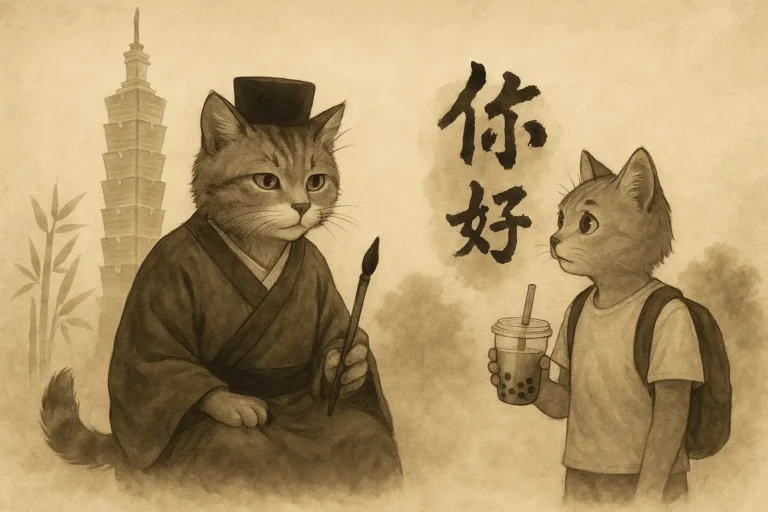
Why Shakespeare would sound like a stranger, and a Tang scholar might ask you to write instead.
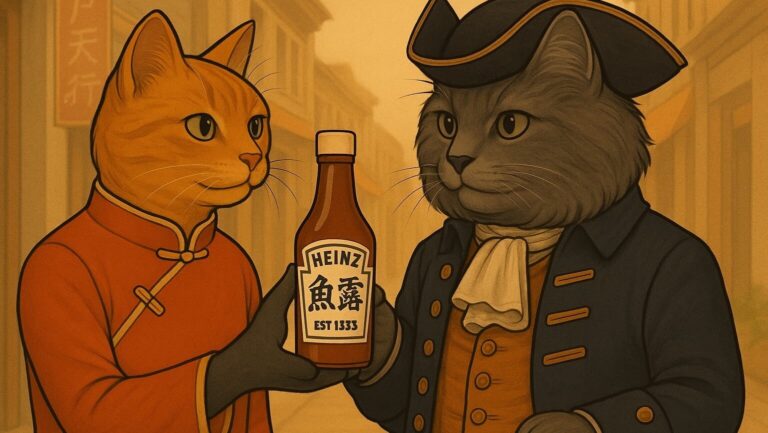
A tale of theft, misappropriation, cheese graters, and consent. How words are borrowed, used, and abused
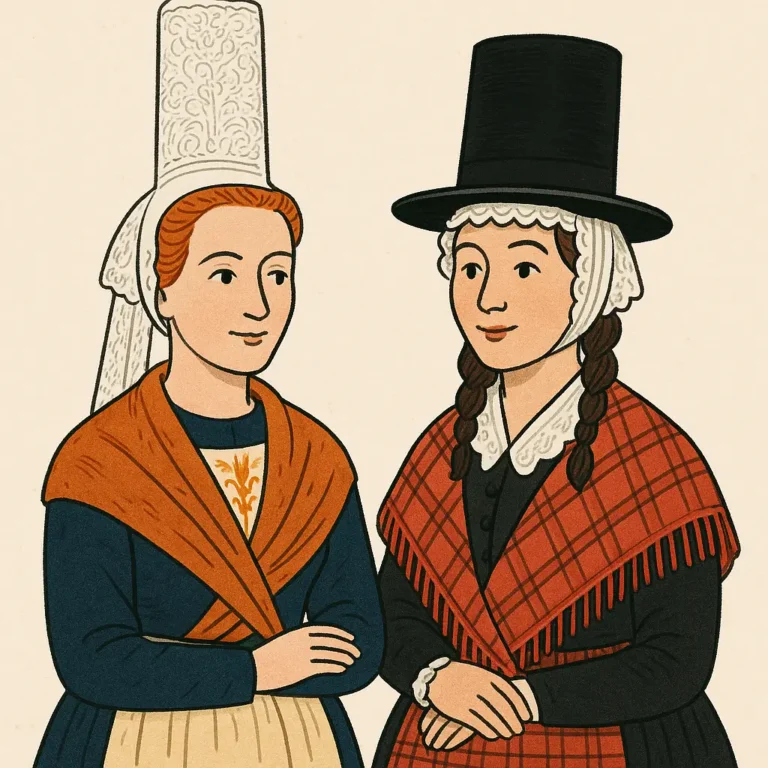
Two languages, two shores, one ancient ancestor. Welsh and Breton split apart fifteen centuries ago and still sound uncannily alike when you’re asking for tea.
Have you tasted the delightful chaos of linguistic diversity? What is this obsession with Indo-European? Why is Korea furry? Why are platypuses Sui?
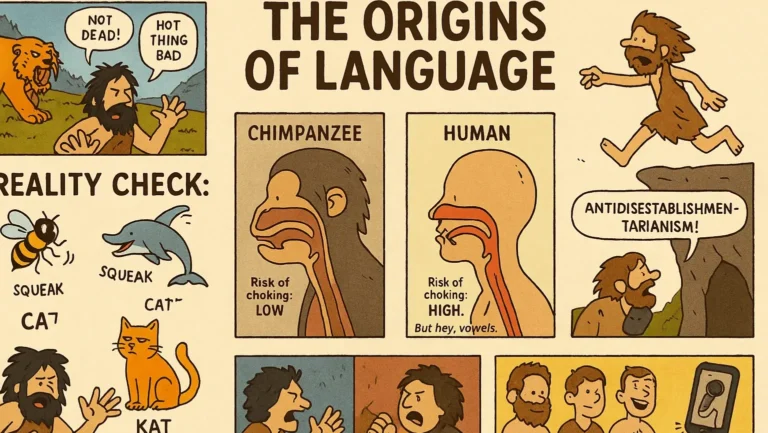
Language is the crown jewel of human evolution — or at least the loudest one. From Neanderthal grunts to diplomatic double-speak, it’s the tool we use to share dreams, issue threats, tell jokes, invent gods, and argue about dinner.
A humble tuber with a surprisingly complicated identity. The potato’s names — from pomme de terre to 馬鈴薯 — tell a story of empire, confusion, and one very embarrassing supermarket incident in Taipei.
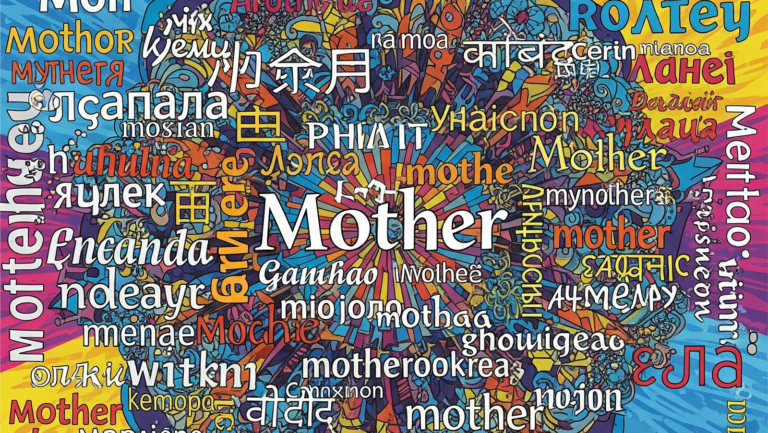
Why does “mother” sound so similar across dozens of unrelated languages? The answer starts with the sounds babies make — and tells us something profound about language itself.
We use cookies to improve your experience on our site. By using our site, you consent to cookies.
Manage your cookie preferences below:
Essential cookies enable basic functions and are necessary for the proper function of the website.
These cookies are needed for adding comments on this website.
Statistics cookies collect information anonymously. This information helps us understand how visitors use our website.
Google Analytics is a powerful tool that tracks and analyzes website traffic for informed marketing decisions.
Service URL: policies.google.com (opens in a new window)